

The Deer and the Snake
“The mystic or magician does not simply ground the self in a negative way, using the world as the opposite of spiritual experience. Rather, the natural world, because it carries a firmer reality than the other elements, because it does not lead so easily to confusion or misconception or ill use, opens the way to more mystical experience.”
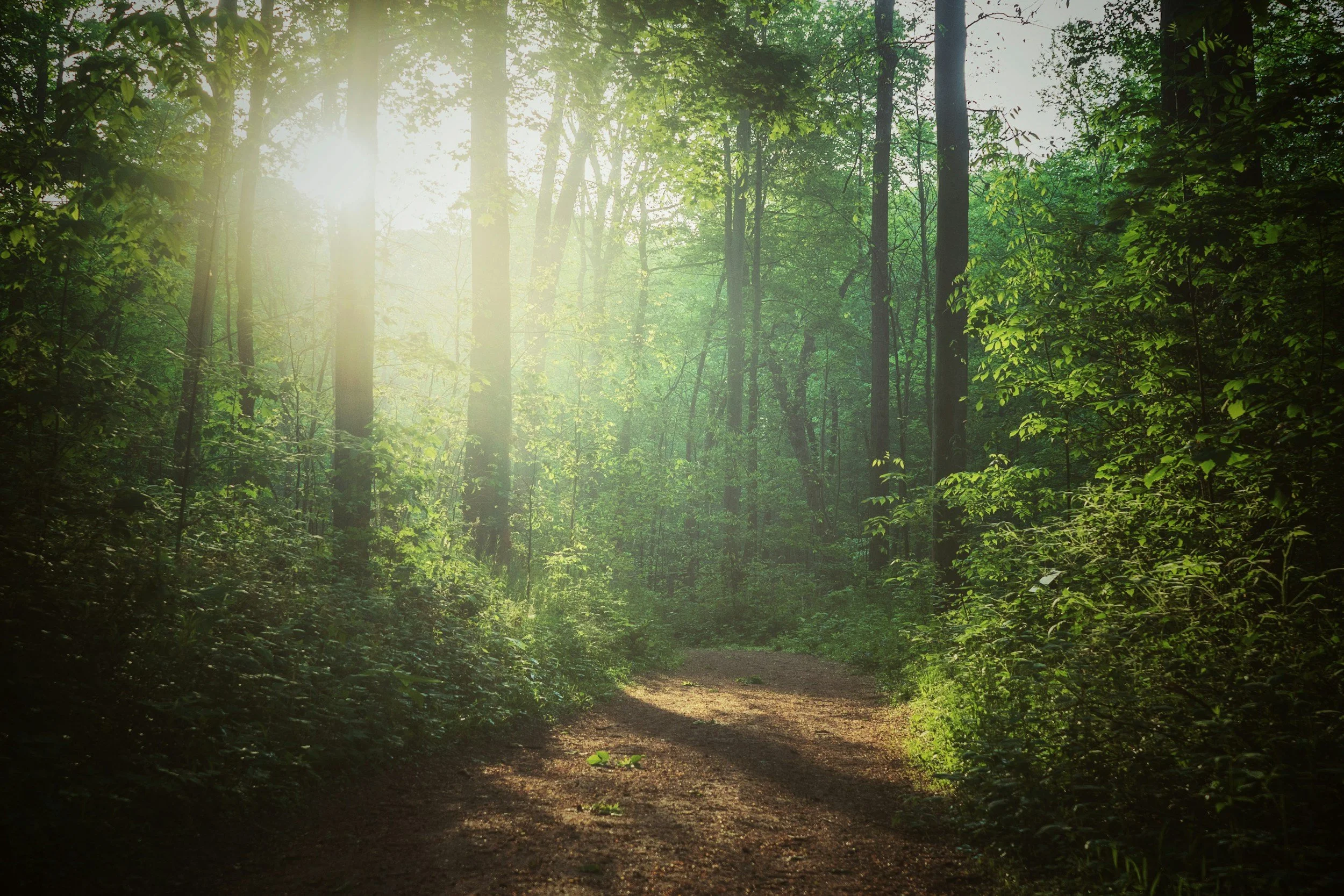
As spring has burgeoned and the weather has grown milder, I’ve adopted the habit of taking nature walks whenever I have a spare hour or two.
One recent walk resembled a waking dream.
Along a meandering, undulating trail, I encountered a deer nosing through the tender new growth. She lifted her head when she noticed my presence and remained still as we simply perceived one another in silence for a few moments. I had the uncanny sense that the Divine was studying me as I returned its gaze with equal curiosity and wonder. Eventually, the deer bounded away. I tried to follow her form, but it quickly dissolved back into the scenery.
Later, I perceived movement in my peripheral vision. I looked down and saw a garter snake at my right foot. I felt an initial desire to recoil, but instead, for whatever reason, I resolved to remain still and present through the fear and discomfort. A moment later, the snake had slithered into the tufts of grass bordering the trail. My panic dissipated, and I resumed my walk. I had remained myself.
These two creatures became my teachers and totems that afternoon.
Perhaps the deer reflected divine innocence and the paradoxical strength that arises from total defenselessness. She may also have been a living reminder that silence and stillness are preconditions for encountering the Divine. Her sudden disappearance into the surroundings evoked the Divine’s playful, even mischievous nature, as though it delights in games of hide-and-seek. It inspired in me an attitude of positive expectancy, as though I stood to encounter the Divine, in its next guise, around the next bend in the trail—or the one after that. This struck me as a more helpful attitude to adopt both on the trail and in life than the clenched vigilance with which so many of us are painfully familiar.
By contrast, the snake may have reflected the dictates of the psychological shadow—that forbidding realm of fear, anticipated shame and humiliation, and easy yet costly escape from emotional pain and conflict. Its presence afforded me an opportunity to experience, in embodied allegory, what is normally a purely interior process: encountering a potentially threatening situation and tolerating the fright, discomfort, and expectation of pain or humiliation it evokes without discharging them through desperate, compensatory activity that only compounds the danger and deepens the original wound.
I was given a chance to see, in correspondingly physical form, the precise dimensions of the thing that has so reliably frightened and provoked me in the past. It turns out to be quite small and slight. Hardly something to fear at all. More like something to look after—and look out for.
Like many of us, I have a mental habit of assuming that psychospiritual growth and communion with the Divine involve leaving behind or overcoming material, embodied existence—transcending the world perceived by the five senses. Mortifying the flesh, so to speak. To find God, we are accustomed to believing, we must ascend the staircase of the intellect into the climes of abstraction before reaching the rarefied altitudes of pure spirit where God abides.
My walks have reminded me that there is another path.
It is the path of immersion in the natural world and its bounties and pleasures—not in the compulsive way of gorging the senses to stupefy consciousness, but in an intentional way of alert absorption that expects to be met by striking synchronicity.
And almost always is.